Benefits of Cold Pressed Groundnut Oil for Healthy Daily Cooking
Discover the health benefits of cold pressed groundnut oil for daily cooking. Learn how this natural, unrefined oil supports heart health, retains nutrients, and enhances flavor in Indian dishes.
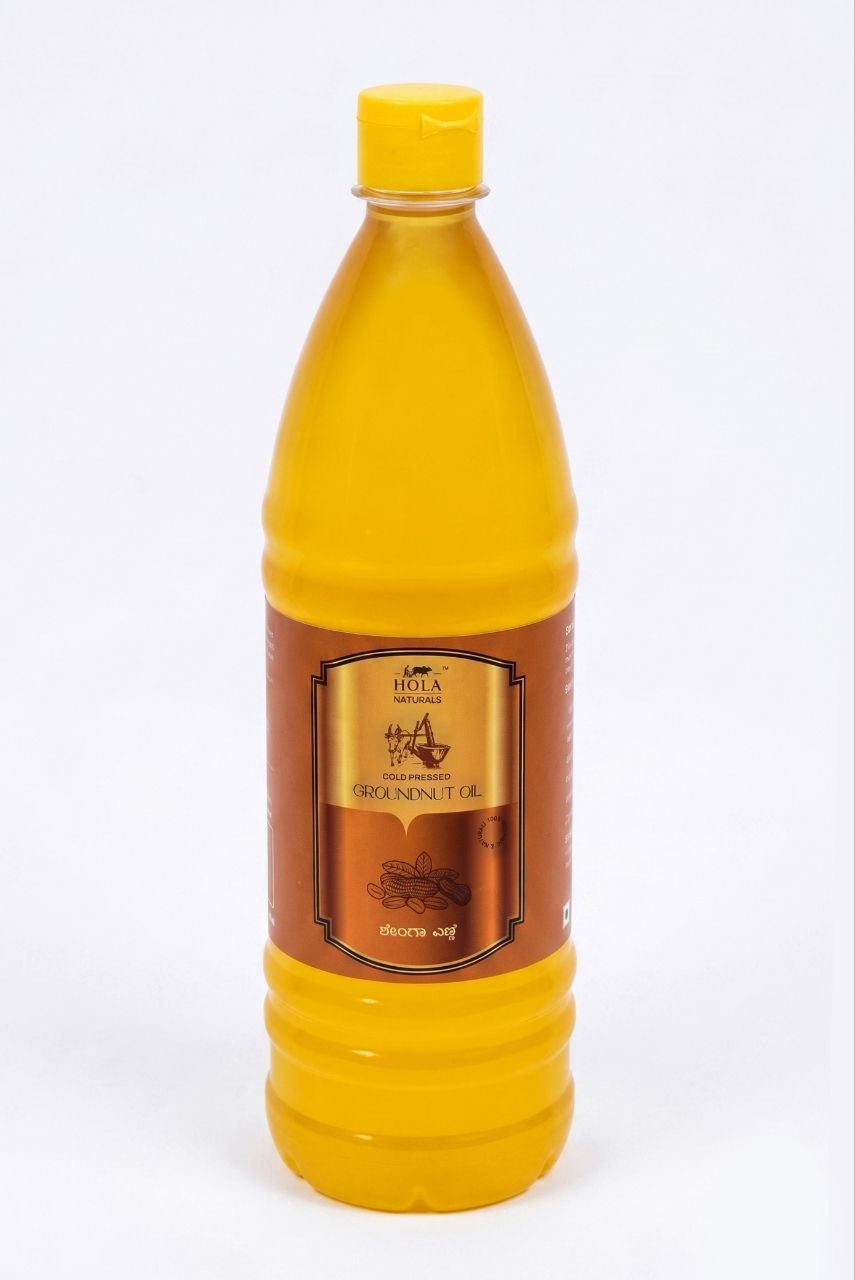
Choosing the right cooking oil can make a big difference in your daily diet and overall wellness. Among the many options available today, cold-pressed groundnut oil has become increasingly popular because of its natural extraction process, healthy fats, and rich flavor. Cold-pressed groundnut oil is a natural cooking oil extracted without excessive heat or chemicals. It is rich in healthy fats, vitamin E, antioxidants, and natural flavor, making it a popular choice for everyday Indian cooking.
In This Article
What Is Cold-Pressed Groundnut Oil?
Cold-pressed groundnut oil (also called peanut oil) is obtained by mechanically pressing raw peanuts without heat or solvents. Traditional wooden "chekku" or ghani presses extract the oil slowly (often below 45°C). Because no bleaching or deodorizing is used, the oil keeps its natural peanut aroma and nutrition. In contrast, refined groundnut oil is produced with high heat and chemical solvents, which strip away most vitamins and flavor.
Nutritional Profile (per 100g)
Cold-pressed groundnut oil is nutrient-dense. Key components include:
- Monounsaturated Fats (~46%): Mainly oleic acid, which can support heart health.
- Polyunsaturated Fats (~32%): Essential linoleic acid (omega-6) and smaller omega-3s. (Balancing with other oils rich in omega-3 is advised).
- Saturated Fat (~17%): Lower than many tropical oils.
- Vitamin E (α-Tocopherol): A powerful antioxidant. A tablespoon (~13.5g) of peanut oil provides about 14% of the daily value of vitamin E.
- Antioxidants (Polyphenols & Resveratrol): Cold-pressed oil retains plant antioxidants from peanuts. These compounds help prevent oil spoilage and may protect cells in your body.
- Zero Cholesterol, No Trans Fats: It's plant-based, so naturally free of cholesterol and free from trans fats.
These nutrients mean cold-pressed groundnut oil is more than just fat—it delivers nutrients that support overall health.
Health Benefits of Cold-Pressed Groundnut Oil
- Heart Health: Groundnut oil's high unsaturated fat content can help maintain healthy cholesterol levels. Diets including peanut oil have been shown to lower total and LDL (bad) cholesterol without lowering HDL (good) cholesterol. A large review by the American Heart Association notes that replacing saturated fats with unsaturated fats (like those in peanut oil) can significantly reduce heart disease risk.
- Antioxidant Protection: Vitamin E and peanut polyphenols in the oil act as antioxidants, protecting cells from oxidative stress. This may reduce inflammation and aging-related damage.
- Anti-Inflammatory: The oleic acid (MUFA) in peanut oil has natural anti-inflammatory effects, which can benefit blood vessels and overall health.
- Blood Sugar Support: Some studies suggest peanut oil may improve insulin sensitivity. In one report, peanut oil was linked with better blood sugar control in people with diabetes.
- Nourishing Skin & Hair (Traditional Uses): Rich vitamin E can also support skin and hair health. Though not a medical cure, many use cold-pressed oils topically for moisture and vitamin nourishment.
Remember: While cold-pressed groundnut oil offers these benefits, it's still a calorie-dense fat. Use it in moderation (e.g. a couple of tablespoons per day) as part of a balanced diet.
Cooking Uses and Smoke Point
Cold-pressed groundnut oil has a high smoke point of around 225°C (437°F), making it suitable for various cooking methods:
- Deep-Frying & Stir-Frying: Perfect for Indian snacks (pakoras, samosas, vadas) and high-heat stir-fries, as it remains stable under heat.
- Tempering (Tadka): Can be safely heated for spice tempering (up to ~180-200°C) without smoking.
- Baking & Roasting: Good for roasting vegetables or in oven recipes.
- Raw Use: Because of its mild, nutty flavor, it also works well in salad dressings, chutneys, or drizzled on cooked dishes for added aroma.
It's far more heat-stable than unrefined oils like extra-virgin olive (which smokes ~160-190°C). Unlike neutral oils, cold-pressed groundnut oil enhances flavor with its peanut aroma. For best quality, store cold-pressed oils in a cool, dark place. Glass or food-grade metal containers are ideal. Avoid direct sunlight or heat, as the natural fats and antioxidants can degrade over time.
Cold-Pressed vs Refined Groundnut Oil
| Feature | Cold-Pressed Groundnut Oil | Refined Groundnut Oil |
|---|---|---|
| Extraction | Mechanical cold-press (wooden ghani) at low temperature, no chemicals. | Industrial refining: high heat, chemical solvents, bleaching, deodorizing. |
| Nutrients | Retains most vitamins and antioxidants (vitamin E, polyphenols). | Most nutrients are removed during refining. |
| Smoke Point | ~225°C (437°F) (suitable for most cooking). | ~230°C (446°F) (slightly higher). |
| Flavor & Aroma | Golden color with mild nutty aroma and rich peanut taste. | Light color, virtually no aroma or flavor. |
| Shelf Life | Shorter shelf (natural sediments; no preservatives). | Longer shelf (processed and stabilized). |
Pros & Cons
Cold-Pressed Oil:
Pros: Natural, flavorful, nutrient-rich (cholesterol-free). Cons: Shorter shelf life (refrigerate after opening recommended), slightly lower smoke point, generally higher cost.
Refined Oil:
Pros: Very shelf-stable, neutral taste, often cheaper. Cons: Virtually no vitamins or antioxidants, bland, possible trace chemicals.
Cold-pressed oil's extra nutrition and taste make it the healthier, more natural choice for daily cooking, while refined oil is chosen mainly for very high-heat industrial uses.
Frequently Asked Questions
Q: What is special about cold-pressed groundnut oil?
A: Cold-pressed oil is extracted slowly with no heat or chemicals, preserving the oil's natural nutrients, aroma, and flavor. This gives it a rich peanut taste and higher levels of vitamins and antioxidants compared to refined oils.
Q: What nutrients are in cold-pressed groundnut oil?
A: It's rich in heart-healthy unsaturated fats (about 46% monounsaturated, 32% polyunsaturated) and vitamin E. It also contains natural antioxidants (polyphenols) that help protect the oil and your body.
Q: How does it benefit heart health?
A: Groundnut oil's high monounsaturated fat content helps lower LDL ("bad") cholesterol and may raise HDL ("good") cholesterol. Diets using peanut oil have been shown to reduce total and LDL cholesterol. Its antioxidants (vitamin E) further protect blood vessels from damage.
Q: Can I use cold-pressed groundnut oil for deep frying?
A: Yes. Its high smoke point (~225°C) makes it safe for deep frying and stir-frying. It can handle typical Indian cooking temperatures without breaking down or producing harmful smoke.
Q: How should I store cold-pressed groundnut oil?
A: Store it in a cool, dark place (or even refrigerate after opening) to slow oxidation. Use it within 3-6 months for best quality (check the "best by" date). Because it has no preservatives, keeping it sealed and away from heat/light will maintain freshness.
Conclusion
In summary, cold-pressed groundnut oil is a natural, nutrient-rich choice for daily cooking. Its combination of healthy fats, vitamin E, and antioxidants supports heart health and adds real peanut flavor to your food. For pure quality, try Hola Naturals' cold-pressed groundnut oil - it's 100% unrefined with no additives. Experience the difference of authentic, traditional peanut oil in your kitchen!
Explore Our Product
Visit our store for pure, chemical-free groundnut oil that's perfect for all your cooking needs.
Buy Pure Groundnut Oil